CUTICLE CARE · MAPLE, ON
Why do my cuticles crack and peel even when I moisturize?
Because hand cream and cuticle care aren't solving the same problem. Cream hydrates the skin on the back of your hand well, but the cuticle is thicker, tighter tissue that a water-based cream mostly sits on top of rather than penetrating. Oil gets into that tissue and stays there, which is why it does the actual job cream is being asked to do. Add in habits like frequent hot water exposure and hand sanitizer, and cream alone rarely keeps up, no matter how often you apply it.
It's one of the more frustrating patterns we hear about: someone who moisturizes diligently, multiple times a day, and still has cuticles that crack by the end of the week. It's not a discipline problem. It's usually a mismatch between the product and what the cuticle actually needs.
WHY CREAM ISN'T DOING THE JOB
The difference between hydrating and sealing
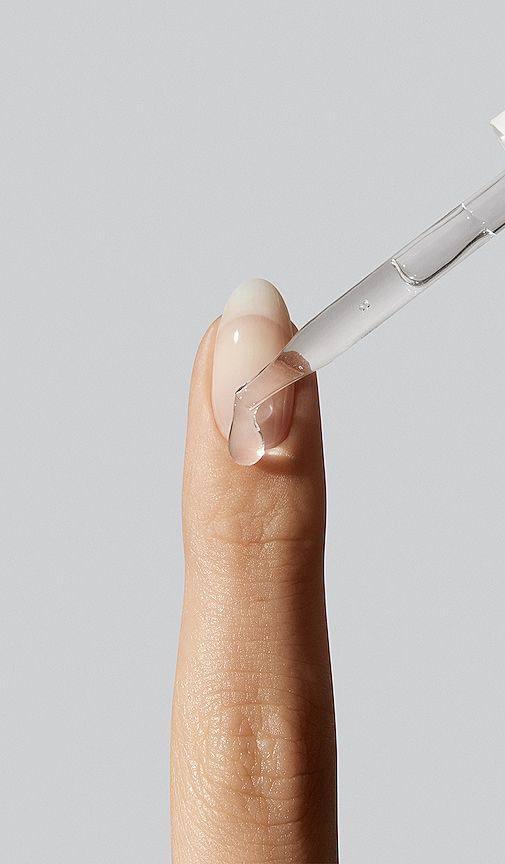
Hand cream is largely water-based, built to hydrate skin quickly and absorb without feeling greasy. That works well on the back of your hand, where skin is thinner. The cuticle is different: tighter, tougher tissue that a water-based product tends to sit on rather than absorb into, so the moisturizing effect fades within an hour or two. Oil behaves differently. It's absorbed into the cuticle itself and forms a barrier that holds moisture in rather than adding moisture that evaporates. That's the real distinction, not that one product is "better" than the other, but that cream and oil are doing two different jobs, and cracked cuticles usually need the second one.
THE HABITS WORKING AGAINST YOU
What's undoing your moisturizing routine
Even a good oil routine gets outpaced by daily habits that dry the cuticle faster than it can recover. Hot water is one of the biggest culprits: long showers, hot dishwater, and repeated hand washing all strip natural oils from the skin, and Mayo Clinic specifically names repeated or prolonged water contact as a cause of splitting and cracking. Hand sanitizer is the other major factor. The American Academy of Dermatology notes that alcohol-based sanitizer, while effective against germs, is genuinely drying on skin, and cuticles that are already thin and tight show that dryness faster than the rest of your hand does. If you're applying oil once a day but sanitizing your hands six times, the sanitizer usually wins that math.
WHEN A TREATMENT-LEVEL FIX IS NEEDED
What to do when at-home care has stalled
If cuticles are still cracking after weeks of consistent oil use and gloves for wet work, the issue often isn't the routine anymore, it's built-up dead skin and hardened tissue that home care can soften but can't fully clear. That's the point where a treatment-level service, done properly with the right tools, does more in one appointment than another month of home care will. It's not a sign you've been doing anything wrong. It's simply the difference between daily maintenance and a reset.
OUR STANDARD
Why we treat cuticle work as its own service, not an add-on
As Victoria Grizay explains it, most clients who come in with persistent cracking have already been moisturizing consistently; they just haven't had the buildup professionally cleared. That's the gap a proper dry cuticle manicure closes: a technician-level treatment of the cuticle and nail fold that home oil alone can't replicate. The American Academy of Dermatology recommends moisturizing nails and cuticles more often than most people think they need to as a basic of nail care, and every technician at Queen2Be can point you toward the right cuticle oil for your hands at your next visit, since the right product varies more between people than most realize.
COMMON QUESTIONS
Cracked cuticle questions, answered
Why do my cuticles crack even though I use hand cream every day? Cream hydrates the skin's surface but doesn't penetrate the cuticle's tougher tissue the way oil does. Cracked cuticles usually need an oil-based product, not more cream.
Is cuticle oil actually better than hand cream, or is that just marketing? For the cuticle specifically, yes. Oil absorbs into the tissue and seals in moisture, while cream tends to sit on top and needs frequent reapplication to have any lasting effect there.
Does hand sanitizer really make cracking worse? Yes. The alcohol in hand sanitizer is genuinely drying to skin, and cuticles show that dryness faster than the rest of your hand because the tissue is already thin and tight.
How long should I try an oil-only routine before booking a treatment? A few consistent weeks is reasonable. If cracking hasn't improved by then, buildup is likely part of the problem, and that needs a technician-level fix rather than more home product.
Can hot showers really affect my cuticles specifically, not just my hands? Yes. Repeated or prolonged water exposure strips the same oils that keep cuticle tissue flexible, and Mayo Clinic lists this as a documented cause of splitting.
VISIT US
Let's clear the buildup a routine can't
If oil and gloves haven't been enough, the fix is often a proper cuticle treatment rather than a new product. Ask about our dry cuticle manicure, and we'll point you toward a cuticle oil suited to your hands for the weeks in between. Book your visit.
RELATED READING
- What Are the Benefits of a Dry Cuticle Manicure?
- Why Does a Russian Manicure Last So Long? The Science Behind It
- What Is an IBX Manicure, and What Does It Actually Do for Your Nails?
Queen2Be Beauty Studio · Maple, ON · Toronto North Richmond Hill · Vaughan · and surrounding area Book your visit →