
How Do Russian Manicures Differ From Classic Manicures?
The difference starts before the technician touches your hands.
A classic manicure begins with water. A Russian manicure never goes near it. That single distinction — present from the very first step — is what separates two techniques that share a name but almost nothing else.
New to Russian manicure entirely? [Start here →] — we break down exactly what it is, where it comes from, and why it has taken over every nail feed worth following. And if you want to see the work up close, [follow us on Instagram→ ] where we share real results and nail education you can actually use.
Step one is where everything diverges
In a classic manicure, your fingers go into a water soak. The skin softens, the cuticles become easier to push back, and the appointment moves quickly. It feels like preparation. What it actually does is swell the nail plate — temporarily expanding a surface that product will be applied to moments later. As the nail dries back down over the following days, that product starts to lift. That's where the edge separation comes from. That's where the chip starts.
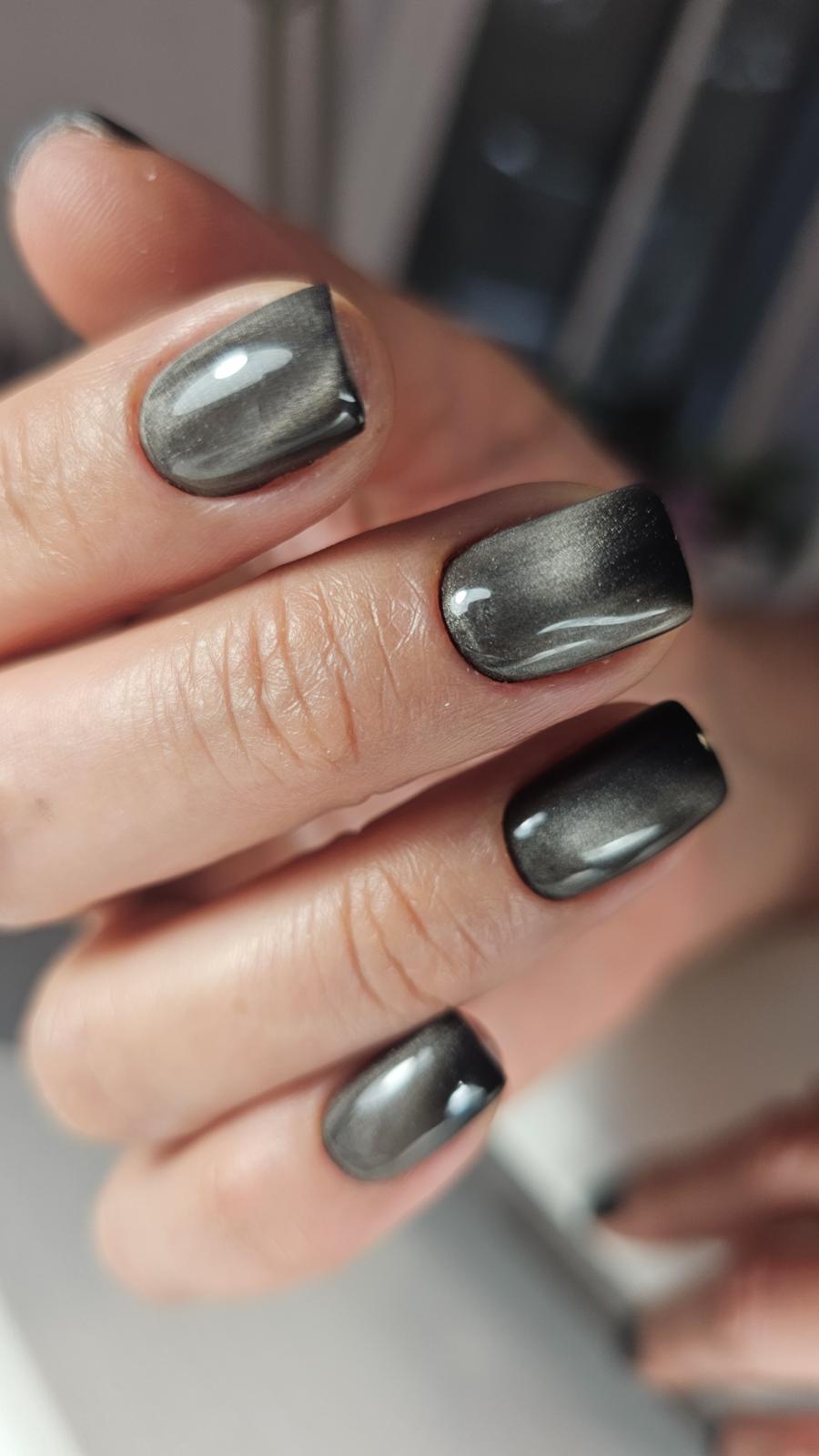
Russian manicure begins with a dry nail. An electric file with precision bits works around each cuticle — refining the skin, preparing the nail plate properly, reading each nail individually for thickness, condition, and sensitivity. It is slower because it is thorough. The product goes on last, onto a surface that is genuinely ready for it.
Two different first steps. Two completely different outcomes.
Different tools, different results
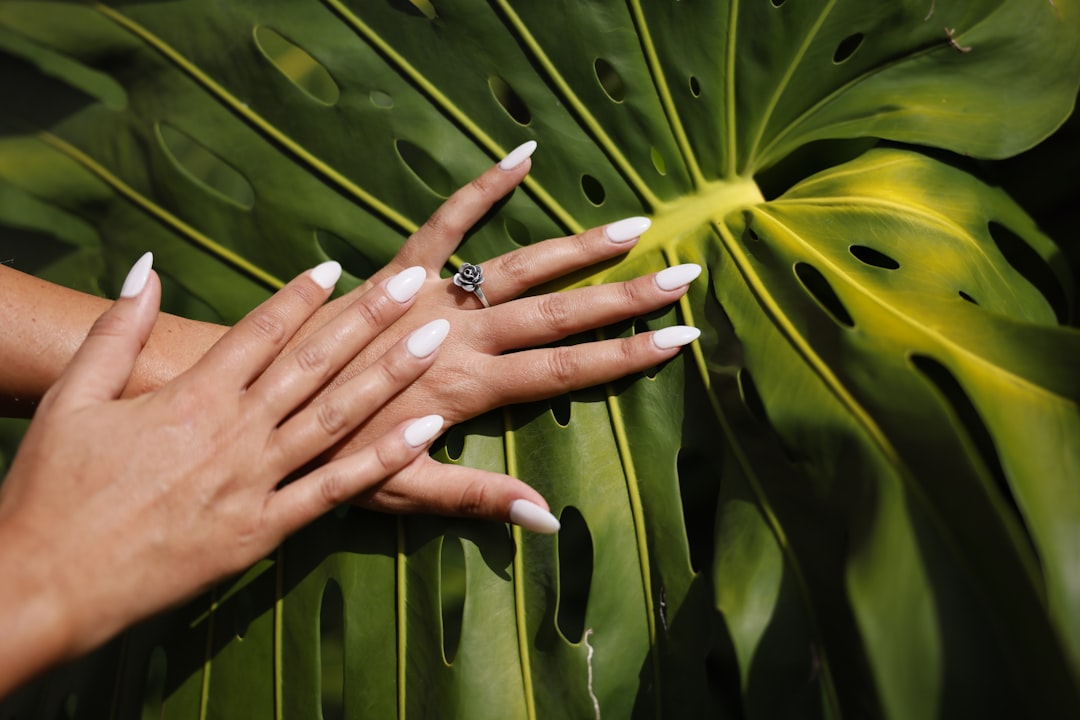
A hand tool standardises. It pushes back what it finds and moves on. An e-file in trained hands assesses and adapts — no two nails are treated identically because no two nails are identical.
This is why the finish looks different. That seamless line where gel meets skin, those clean edges with no gap at the cuticle — that's not a product difference or a lighting trick. That's what happens when the nail plate underneath has been properly prepared rather than approximated.
Free guide: Your first Russian manicure — what to know before you book What to expect, how to assess your nail health, and 5 questions to ask any studio before you sit down. [Download free →]
The difference you feel at two weeks
At the appointment, both services can look polished. The gap shows up later.
Classic manicure at two weeks: lifting at the edges, a regrowth line breaking the surface, a finish you're trying to preserve rather than one still holding.
Russian manicure at two weeks (even four weeks): the edge still flush. The cuticle line still clean. The finish still looking like it belongs there.
This isn't about gel brand or polish quality. It's about what the nail plate was doing when the product went on — and whether the preparation underneath was good enough to hold everything above it.
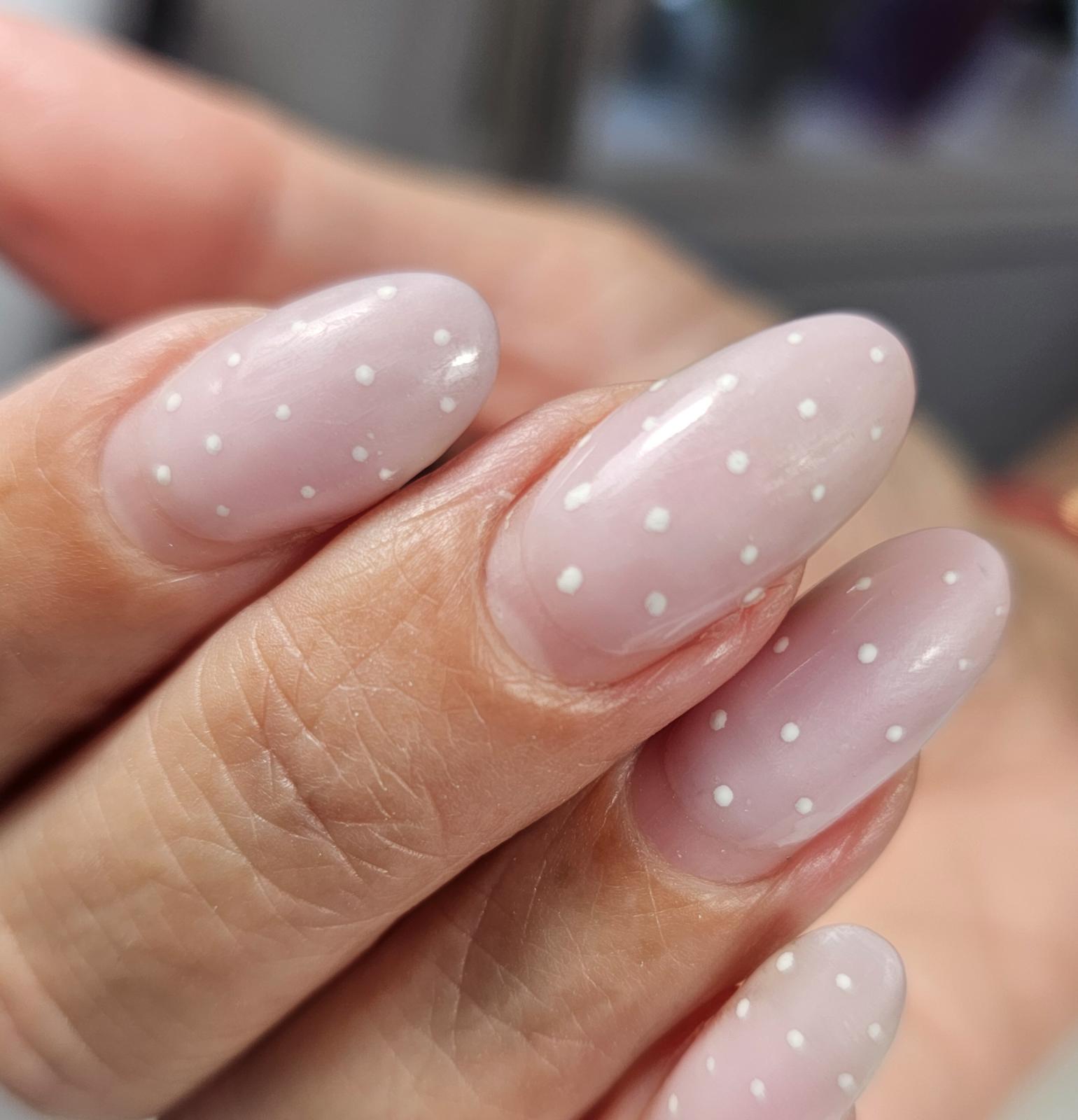
Four-weeks wear result, clean edges, no lifting _work of our technician
Experiencing the difference in Toronto North
Knowing the difference is one thing. Sitting in the right chair is another.
Queen2Be Beauty Studio in Maple, Ontario works exclusively to Russian e-file standard — no water, no hand tools doing the work an e-file should, no classic technique rebranded with a different name. Clients come from across Toronto North, Richmond Hill, and Vaughan, most of them having spent years in the classic manicure cycle without knowing another standard existed.
It does. And once you've experienced it, the difference is impossible to unfeel.
Queen2Be Beauty Studio · Maple, ON · Toronto North
Richmond Hill · Vaughan · and surrounding area