GEL POLISH · MAPLE, ON
Can you be allergic to gel polish?
Yes, though it's uncommon. A true gel polish allergy shows up as itching, redness, swelling, or small blisters around the nail folds, sometimes days after a set that never bothered you before. It's caused by an immune reaction to a group of chemicals called methacrylates, the most common being HEMA, and it's different from the mild, short-lived irritation that a lot of people mistake it for. If it happens, the fix starts with removing the product and telling your technician, not guessing at home.
Here's the strange part of a real allergy: it often doesn't show up the first time, or the fifth time, or even the twentieth. It can develop after a set that used the exact same product you've worn for years without a problem, because that's how this specific kind of reaction works. It builds with repeated exposure until, one appointment, it doesn't.
TRUE ALLERGY OR JUST IRRITATION
Telling a reaction apart from a bad reaction to filing
Irritation shows up fast and fades fast. A little redness or tenderness right after your appointment, gone within a day, is usually just skin adjusting to filing, buffing, or a slightly aggressive cuticle push. A true allergic reaction looks different: itching that's genuinely hard to ignore, swelling around the nail folds, small blisters, or skin that peels a few days after your appointment, sometimes spreading past the nail to the fingers or even the face if you've touched it there. The timing is the biggest clue. Irritation shows up during or right after the service. An allergic reaction typically shows up 24 to 72 hours later, once the immune system has had time to respond.
THE USUAL SUSPECT
What's actually causing it
Gel polish cures under UV or LED light through chemicals called methacrylates. Research published in the Journal of the American Academy of Dermatology identifies these compounds, and specifically HEMA (2-hydroxyethyl methacrylate), as the most common allergens in nail cosmetics today. Fully cured gel is largely inert, which is why most people wear it for years without issue. The risk sits with product that isn't fully cured, is applied too close to the skin, or makes repeated contact with skin over many appointments, since sensitization tends to build with exposure rather than happen on the first try. "HEMA-free" formulas exist, but cross-reactivity between different methacrylates means switching products isn't a guaranteed fix on its own.
WHAT TO DO RIGHT AWAY
If you think you're reacting
Remove the polish, or have it professionally removed, as soon as you can. Wash the area gently and let it breathe rather than covering it with more product. Mild reactions typically start improving within a few days once the trigger is gone. If swelling is significant, spreads beyond your fingers, or doesn't start improving after a few days, see a doctor or dermatologist rather than waiting it out. What you shouldn't do is book straight back in for the same product hoping it was a one-off. Sensitization doesn't tend to reverse itself, and repeat exposure typically makes the next reaction faster and stronger.
GOING FORWARD
Flagging it before your next appointment
Once you suspect a sensitivity, say so before your technician opens a single product. Note which brand and which service you were wearing when it happened, since that narrows down what to avoid far faster than "gel polish" as a general category. A dermatologist can run a patch test to confirm exactly which ingredient is responsible, which is worth doing if you want a definitive answer rather than trial and error at the nail desk.
OUR STANDARD
Why we'd rather you tell us than push through it
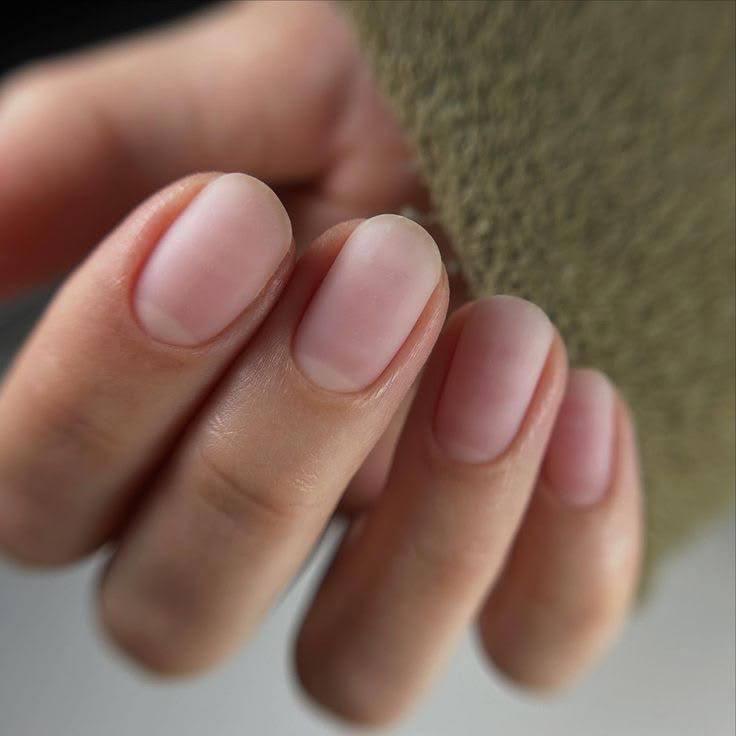
As Victoria Grizay explains it, a suspected sensitivity is information, not an inconvenience, and it changes what goes on a client's nails from that appointment forward. Every technician at Queen2Be can walk through product alternatives with a client who's had a reaction, including HEMA-free options and, where it makes sense, a polish-free service like a Japanese manicure instead of gel. Acrylates are now recognized as the most common allergens found in nail cosmetics, according to research from the Journal of the American Academy of Dermatology, and the American Academy of Dermatology advises knowing what's in your nail products and telling your doctor if you develop a rash or reaction. That's the standard we work from: a flagged sensitivity gets noted on file, not brushed off.
COMMON QUESTIONS
Gel polish allergy questions, answered
Can you suddenly become allergic to gel polish after years of wearing it fine? Yes. This type of allergy builds with repeated exposure, so a reaction can appear after years of trouble-free wear, often with a product you've used many times before.
What does a gel polish allergic reaction actually look like? Itching, redness, swelling around the nail folds, small blisters, or peeling skin, usually appearing 24 to 72 hours after the appointment rather than during it.
Is HEMA-free gel polish guaranteed to be safe if I've reacted before? Not guaranteed. Cross-reactivity between different methacrylates means someone sensitized to one can still react to a "HEMA-free" formula. A patch test gives a more definitive answer than trial and error.
Should I stop getting gel manicures entirely if I think I'm reacting? Not necessarily. Many clients switch products, spacing, or techniques with their technician's help rather than giving up gel altogether. Flag the reaction and talk through alternatives before deciding.
How long does it take for a reaction to clear up once the polish is removed? Mild cases often improve within a few days once the product is off and the area is left to breathe. If it's spreading, significant, or not improving, see a doctor.
VISIT US
Tell us before we start, not after
If you've had a reaction, or you're not sure whether what you experienced was irritation or something more, mention it when you book. We can talk through product alternatives, including HEMA-free options, before anything goes on your nails. Book your visit.
RELATED READING
- What Is a Japanese Manicure, and How Is It Different From a Russian Manicure?
- What Is an IBX Manicure, and What Does It Actually Do for Your Nails?
- What Are the Benefits of a Dry Cuticle Manicure?
Queen2Be Beauty Studio · Maple, ON · Toronto North Richmond Hill · Vaughan · and surrounding area Book your visit →